


Behind Locked Doors
Where decisions are made, processes are built, and the system keeps you a prisoner
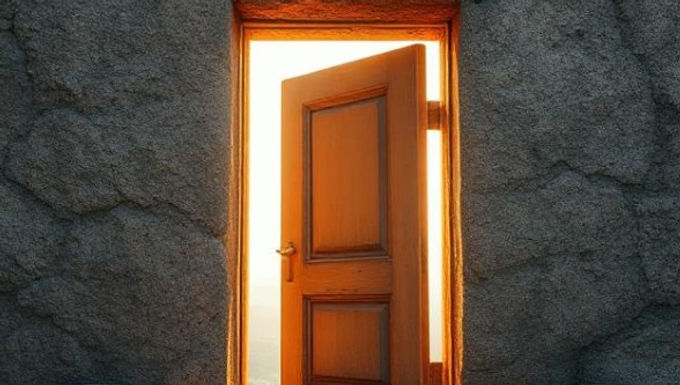
When decisions are made behind closed doors, the public is left in the dark—excluded from the very processes that shape their lives. This lack of transparency damages trust, weakens accountability, and often leads to policies that serve narrow interests rather than the broader good. Whether in government, corporate boardrooms, or powerful institutions, secrecy creates distance between decision-makers and the people they are meant to serve.
Transparency is essential for a healthy democracy. When citizens are informed and involved, they can advocate for their needs, challenge unjust policies, and hold leaders accountable. But when important choices are made in private, it becomes difficult to determine whose interests are being prioritized. Often, these closed-door decisions benefit the powerful and well-connected while overlooking or harming the average person. This deepens inequality and breeds resentment.
Moreover, secrecy invites corruption. Without public scrutiny, unethical behavior can flourish—whether it’s backroom deals, misuse of funds, or manipulation of facts. Even if the intentions behind a decision are good, the lack of openness can still create suspicion and erode confidence in leadership.
Closed-door decision-making also limits the diversity of ideas. When only a few voices are heard, critical perspectives are lost. Inclusive decision-making, where different experiences and insights are welcomed, leads to more effective and fair outcomes.
Ultimately, public trust is not just a luxury—it’s a foundation. When people feel shut out, they disengage, stop participating, and lose faith in the system. Rebuilding that trust requires openness, communication, and a willingness to involve the public in meaningful ways. Decisions that affect everyone should not be made by a few. True progress happens when the public is not just informed, but genuinely involved in shaping their future.